
If you have been injured on someone else’s property in San Francisco, you may be facing a long road to recovery. Whether it was a slip and fall at a Pier 39 restaurant, an injury in a South of Market (SoMoma) apartment complex, or an accident in a Union Square retail store, the law protects your right to seek compensation.
At Shea & Shea, we specialize in holding negligent property owners accountable. San Francisco is a unique urban environment with specific local regulations and aging infrastructure; navigating a premises liability claim here requires an attorney who understands both California state law and the nuances of the City by the Bay.
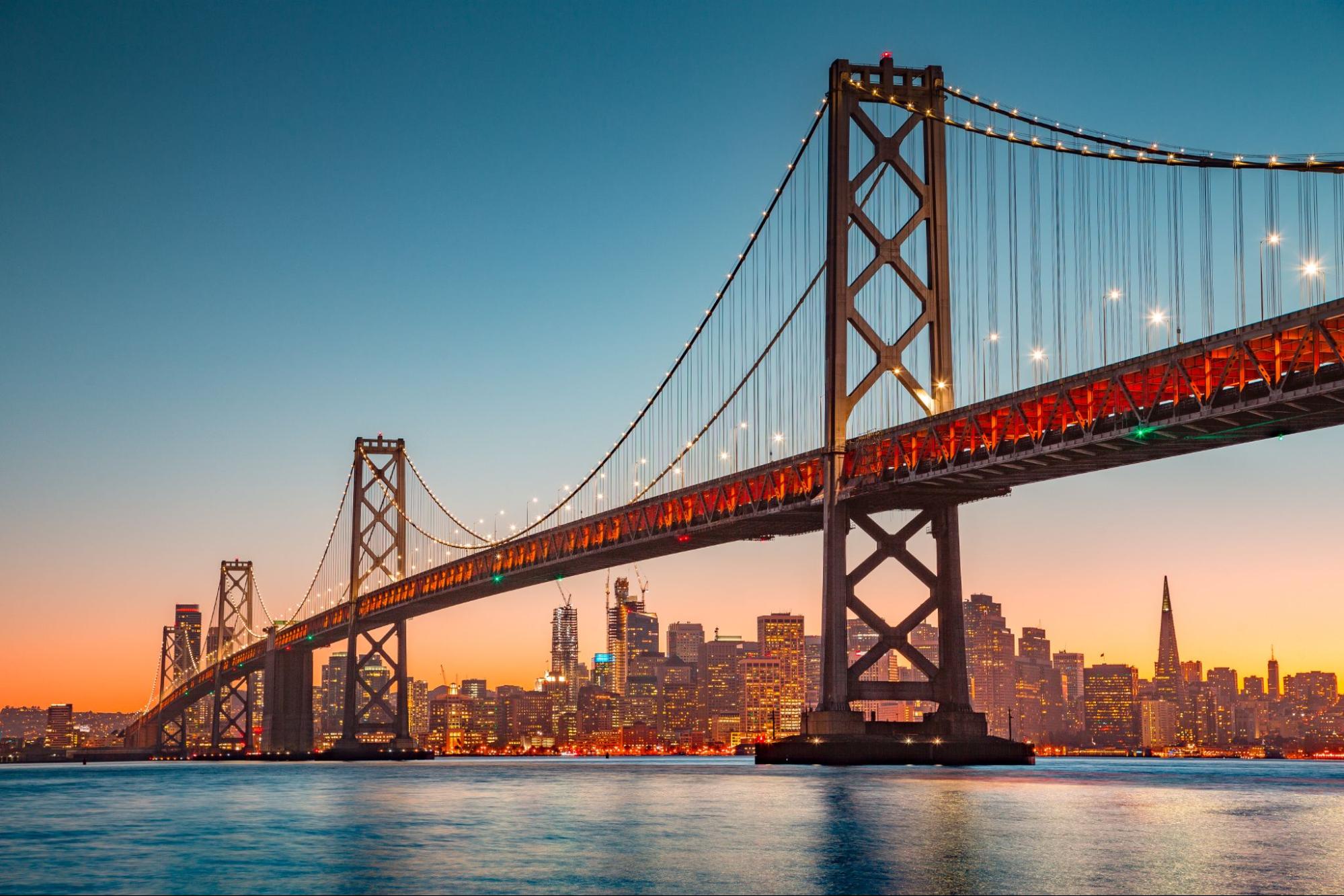 What is Premises Liability in San Francisco?
Premises liability is a legal concept that typically comes into play in personal injury cases where the injury was caused by some unsafe or defective condition on someone’s property. In San Francisco, these cases are governed by California Civil Code § 1714(a), which states that everyone is responsible for an injury occasioned to another by their want of ordinary care or skill in the management of their property.
Proving Negligence
To win a premises liability lawsuit, we must demonstrate four key elements:
- The defendant owned, leased, occupied, or controlled the property.
- The defendant was negligent in the use or maintenance of the property.
- You were harmed.
- The defendant’s negligence was a substantial factor in causing your harm.
Common Types of Premises Liability Cases We Handle
San Francisco presents a variety of hazards ranging from historic Victorians with rotting staircases to high-traffic commercial zones. Our firm handles:
- Slip and Fall Accidents: Often caused by wet floors, uneven sidewalks in the Mission District, or poorly maintained entryways during foggy or rainy weather.
- Inadequate Maintenance: This includes broken elevators, crumbling stairs, or faulty wiring in older residential buildings.
- Negligent Security: If you were the victim of a crime in a parking garage or hotel due to a lack of lighting or security personnel, the owner may be liable.
- Elevator and Escalator Accidents: Common in San Francisco’s high-rises and transit hubs like BART or Muni stations.
- Swimming Pool Accidents: While less common than in San Jose, private clubs and luxury condos often have pools that require strict safety adherence.
Why San Francisco Cases Are Unique
Litigating in San Francisco requires localized expertise. Several factors set these cases apart:
1. The “Hill” Factor and Aging Infrastructure
San Francisco’s steep topography creates unique drainage and structural challenges. Property owners must ensure that retaining walls and steep walkways are structurally sound. Many buildings in neighborhoods like Nob Hill or Pacific Heights are over a century old, often failing to meet modern safety codes.
2. Strict Local Building Codes
The San Francisco Building Code often imposes stricter requirements than the general California Building Code, particularly regarding seismic safety and fire escapes. We work with forensic engineers to determine if a building was up to code at the time of your accident.
3. High Volume of Tourism
In areas like Fisherman’s Wharf, property owners owe a high duty of care to the millions of visitors who may be unfamiliar with the terrain.
Determining Your Legal Status: Duty of Care
Under California law, the distinction between “invitees,” “licensees,” and “trespassers” has been modernized. Property owners generally owe a duty of care to all persons who enter their property, with the primary question being: Did the owner act as a reasonable person would have in the same situation?
Factors the court considers include:
- The location of the property.
- The likelihood that someone would come onto the property in the same manner as the plaintiff.
- The likelihood of harm.
- The burden of reducing the risk.
Damages You Can Recover
If you have suffered a traumatic brain injury (TBI), spinal cord injury, or severe fractures, the financial toll can be devastating. Our goal is to recover full compensation for:
- Economic Damages: Medical bills, future rehabilitation costs, lost wages, and loss of earning capacity.
- Non-Economic Damages: Pain and suffering, emotional distress, and loss of enjoyment of life.
- Punitive Damages: In rare cases where the property owner’s conduct was particularly egregious or malicious.
The Shea & Shea Advantage: A History of Success
Choosing the right firm matters. At Shea & Shea, we don’t just settle for the first offer. We prepare every case as if it is going to trial in the San Francisco Superior Court.
- Resources: We have the financial backing to hire top-tier medical experts and accident reconstructionists.
- Experience: With decades of experience in Northern California, we know the local judges, the opposing counsel, and the tactics insurance companies use to devalue your claim.
- Personalized Attention: You aren’t just a case number. We provide a tailored legal strategy based on your specific injuries and goals.
Frequently Asked Questions (FAQ)
What should I do immediately after an accident?
First, seek medical attention. Second, if possible, take photos of the hazard that caused your injury. Third, obtain contact information from any witnesses. Finally, do not sign any statements from insurance adjusters before speaking with a lawyer.
How long do I have to file a lawsuit in San Francisco?
Generally, the Statute of Limitations for personal injury in California is two years from the date of the injury. However, if the injury occurred on government property (such as a City-owned building or a Muni platform), you may only have six months to file a formal claim.
Can I still recover damages if I was partially at fault?
Yes. California follows a pure comparative negligence rule. This means you can still recover damages even if you were 99% at fault, though your award will be reduced by your percentage of responsibility.
Does a property owner have to know about the hazard to be liable?
Yes, they must have had “actual or constructive notice.” Constructive notice means the hazard existed for a long enough period that a reasonable owner should have discovered and fixed it.
How much does it cost to hire a San Francisco premises liability lawyer?
We work on a contingency fee basis. This means you pay $0 upfront. We only get paid if we successfully recover a settlement or verdict for you.
Contact a San Francisco Premises Liability Lawyer Today
The days following a serious injury are overwhelming. You shouldn’t have to fight insurance companies alone. Let the team at Shea & Shea handle the legal complexities while you focus on healing.
Contact us today at (408) 292-2434 or with our Contact Us form for a free consultation. We are ready to help you secure the justice you deserve.
Citations and Legal References
- California Civil Code Section 1714: General liability for negligence.
- Rowland v. Christian (1968) 69 Cal.2d 108: The landmark case establishing the modern duty of care for property owners in California.
- CACI No. 1000-1012: Judicial Council of California Civil Jury Instructions regarding Premises Liability.
- San Francisco Building Code (SFBC): Local standards for structural maintenance and safety.
- California Government Code Section 911.2: Statute of limitations for claims against public entities.
Disclaimer: The information on this page is for general informational purposes only and does not constitute legal advice. For specific legal counsel regarding your case, please schedule a consultation with a licensed attorney.