
Car collisions, sports injuries, and other accidents that cause severe traumas can produce long-lasting health complications. While some of these may be as obvious as a broken leg, many injuries occur internally. One of the most common internal injuries suffered by accident victims is traumatic brain injuries or TBIs. However, TBIs are not the only type of damage you can sustain.
Pituitary gland damage is another common, yet the little-known effect of head injuries. The pituitary gland plays a crucial role in the regulation of different biological processes and it can suffer from severe damage after an accident.
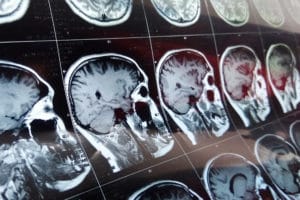
Below, we’ll go over everything you need to know about pituitary gland damage and what accident victims can do about this type of injury and if you should get in touch with our lawyers.
Page Contents
What Does the Pituitary Gland Do?
The idea that the pituitary gland is the “master gland” has been generally accepted in the medical world for decades.
In simple terms, the pituitary gland generates a large portion of the hormones in your body, which in turn regulate an array of other organs and functions. This part of the endocrine system produces different hormones, including but not limited to:
- Growth hormone
- Thyroid and follicle-stimulating hormones
- Endorphins
- Prolactin
- Adrenal gland hormones
All of the hormones above play an important role in emotional well-being, energy levels, and other areas that directly affect your quality of life. Damage to the pituitary gland can disrupt these processes and produce symptoms that are similar to a TBI.
Difference Between the Symptoms of Pituitary Gland Damage and TBIs
Most people associate head injuries with TBIs, and for good reason. Traumatic brain injuries can produce short and long-term complications that can cause cognitive, emotional and physical damage. However, even though they have similar symptoms, TBIs are fundamentally different from pituitary gland damage.
The brain is composed of different parts that can suffer damage during a traumatic collision. These include the corpus callosum, cerebellum, and the frontal, occipital, parietal as well as the temporal lobes. Common physical symptoms of a TBI include chronic headaches, loss of coordination, numbness in different parts of the body, low energy levels, and convulsions in severe cases.
In pituitary injuries, the gland itself isn’t damaged. Instead, the hypothalamus, which is a network of neurons that regulate hormone release in the pituitary gland, is usually the affected area.
The hypothalamus, which connects the endocrine and nervous systems, can be twisted, torn, or otherwise harmed during an accident. This can produce damaged hypothalamus symptoms like hormone deficiency, which may lead to fatigue, blood pressure problems, unexplained weight fluctuations, low libido, growth deficiencies, and other negative signs.
The Relationship Between Accidents and Pituitary Gland Damage
The pituitary gland is located deep within the brain, so it’s somewhat protected from damage caused by some impacts. Unfortunately, the hypothalamus can easily be damaged due to its fragile, stalk-like structure.
When the brain shifts inside of the brain due to a collision, the damage may produce reduced neuron and blood vessel function, which in turn can cause necrosis in parts of the hypothalamus. This directly affects the performance of the pituitary gland, producing hormonal deficiencies and other symptoms.
Even though the symptoms of pituitary gland injury can be severe, identifying the real cause is not always easy. One of the reasons that damage to the pituitary gland from head injury is hard to detect is the fact that the vessels and cells that make up the hypothalamus are minimal. Instead of an MRI, which is usually the test used to identify TBIs, a blood screening is the best way to identify a potential pituitary gland injury.
In many cases, brain specialists prefer image testing to identify brain damage and don’t conduct comprehensive blood examinations. Fortunately, having a seasoned pituitary gland injury attorney can help find the real cause behind the issues you’re experiencing.
Benefits of Working with an Attorney Who Understands Pituitary Damage
Pituitary gland injury victims aren’t always aware of the type of damage they have suffered. People who are experiencing mood swings, low energy levels, and other symptoms consistent with pituitary damage after an accident may be tested for a TBI, but the results usually show little to no brain damage. This is primarily due to the fact that conventional imaging is not sensitive enough to “see” this type of injury. For this reason, it’s common for pituitary gland injury victims to be labeled as dishonest or be accused of exaggerating the symptoms.
By working with a pituitary injury attorney, you can help identify this type of damage and seek compensation that will allow you to find a long-term solution to your problem.
Furthermore, the benefits of working with a pituitary gland injury lawyer include:
Knowledge of the Legal System
The legal system can be extremely complex, especially when dealing with insurance providers and third-party negligence. A seasoned law firm can help you handle the different proceedings and all the paperwork that comes with a legal dispute. Deep knowledge of the legal system can also expedite your case and help you collect the necessary evidence to build a strong case.
The Ability to Explain the Effects of Pituitary Gland Damage
Besides knowledge of the legal system, being able to explain the potential effects of pituitary gland damage also increases your chances of success. Damage to the pituitary gland after a head injury may result in hormonal imbalances that produce psychological and physical symptoms. Your attorney should understand these and be able to explain them to the responsible parties to ensure that your compensation is large enough to cover all the possible expenses.
Receive Long-Term Care
A percentage of accident victims develop pituitary dysfunction after traumatic brain injury. This is a condition that may potentially require hormonal therapy and monitoring over the course of decades. By working with an experienced pituitary gland injury lawyer, you’ll ensure that all these medical bills are included in the compensation you’re seeking and the compensation you deserve.
Finding a Pituitary Gland Damage Attorney
Pituitary gland injury may be as common as TBIs, but differentiating between the two is not always simple. The tips above should help you understand pituitary gland damage and learn about the benefits of contacting a specialized attorney.
If you want to find out more about working with a pituitary gland injury attorney, contact us at Shea & Shea and book a consultation today.
FAQs
What is pituitary gland damage and how can an accident cause it?
Pituitary gland damage is injury to the small hormone-regulating gland at the base of the brain that controls stress response, metabolism, growth, and reproduction. A traumatic brain injury (TBI) from car accidents, falls, or workplace incidents can injure the hypothalamus or pituitary stalk. Less commonly, it can cause direct damage to the pituitary. These conditions can lead to endocrine system damage and hormone imbalance after head injury.
What symptoms can signal pituitary damage after head trauma?
Pituitary dysfunction symptoms often overlap with concussion complaints, which is why they are frequently overlooked. People may notice persistent fatigue, brain fog, mood changes, reduced stamina, or sleep disruption.
Some develop growth hormone deficiency, adrenal insufficiency, or thyroid problems after TBI. Others experience weight changes, low libido, or abnormal thirst and urination. Hypopituitarism after traumatic brain injury can emerge gradually, and families often report a clear change from the person’s pre-injury baseline.
How is pituitary damage diagnosed—and why is it often missed?
Diagnosis usually begins with bloodwork to evaluate pituitary function and hormone levels. In some cases, repeat testing or stimulation studies are required, along with referral to an endocrinologist. Imaging may appear normal even when pituitary damage after head injury is present.
Because symptoms can be delayed and nonspecific, doctors may initially attribute them to general TBI recovery. The medical workup can be complex and may unfold over months before endocrine system damage is fully recognized.
Can I still have a claim if symptoms show up weeks or months later?
Yes. Delayed symptoms do not prevent a claim, especially when medical records link the condition to the original TBI. It is common for hypopituitarism after traumatic brain injury to surface weeks or months after the accident. In California, time limits apply, so it is important to speak with a brain injury attorney promptly.
What damages are common in pituitary gland injury lawsuits?
Damages often include ongoing medical care, endocrinology visits, laboratory testing, and long-term hormone replacement therapy. Growth hormone deficiency, adrenal insufficiency, and thyroid problems after TBI can affect cognition and work capacity. Some individuals face lifelong treatment and increased risk of future complications.
In complex brain injury cases, economic losses may include lost earnings and reduced earning capacity, along with compensation for diminished quality of life.
What evidence helps prove pituitary damage after a head injury?
Strong cases rely on medical documentation connecting the accident to damage to the pituitary and resulting hormone imbalance after head injury. This may include emergency records, imaging studies, laboratory results, and endocrinology evaluations.
Testimony from treating physicians and medical experts can explain how the trauma disrupted pituitary function. Careful comparison of pre-injury and post-injury functioning is often critical in demonstrating the full impact of endocrine system damage.
How can a pituitary gland damage lawyer help with experts and long-term care costs?
A pituitary gland damage lawyer works with medical specialists to understand complex hormone findings and project future treatment needs. As your pituitary gland injury lawyers, we focus on catastrophic brain injury cases that involve lifelong medical care. We coordinate expert testimony and pursue compensation for families facing permanent change.
If you have concerns about delayed endocrine symptoms, we invite you to contact us through our Contact page for a confidential consultation with a pituitary injury attorney from the Shea & Shea team.