
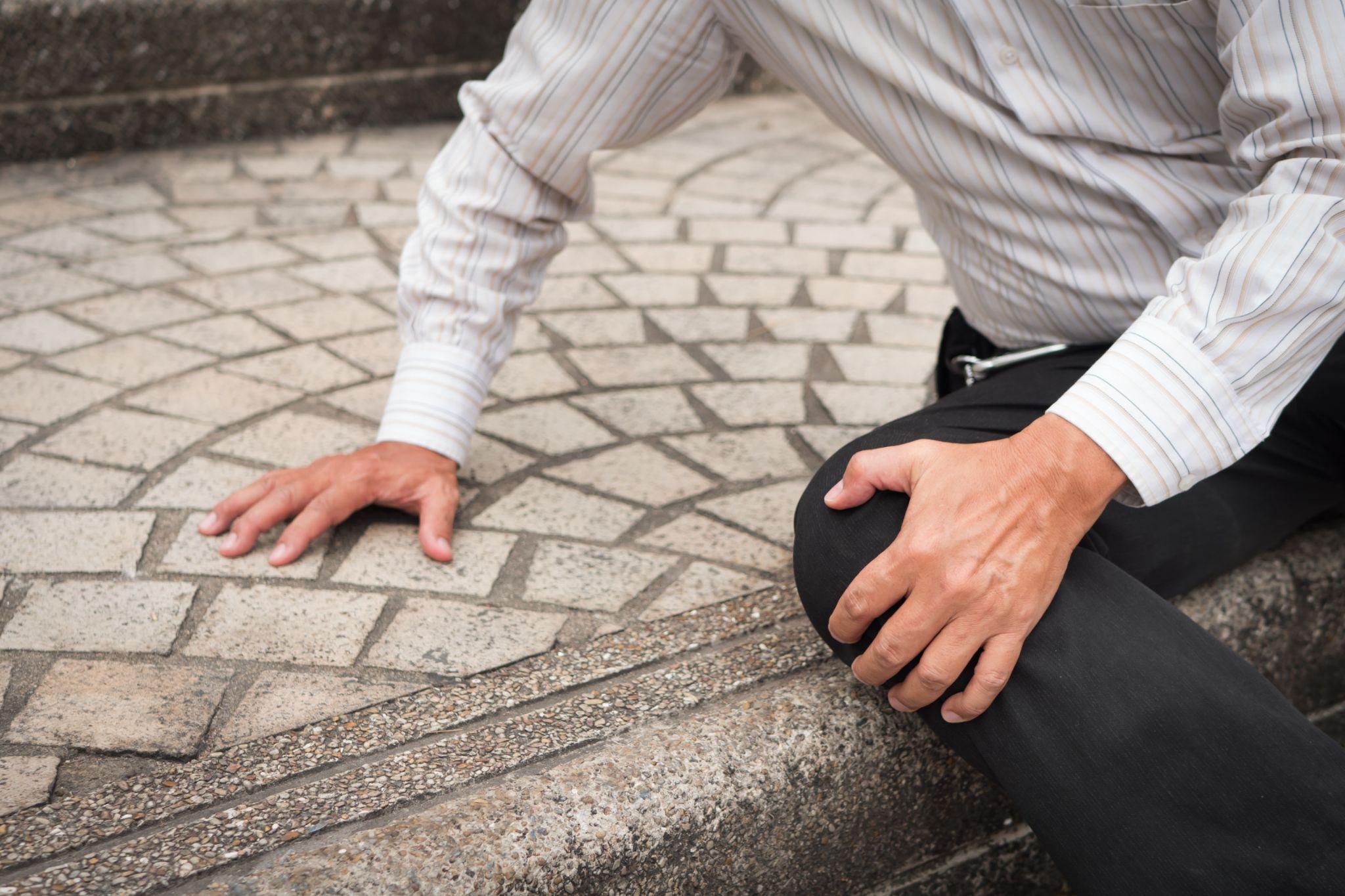
 Slip and fall accidents can lead to significant physical and emotional distress, and dealing with the legal aftermath can be overwhelming. At Shea & Shea, we understand the complexities involved in slip and fall cases and are dedicated to representing victims in San Francisco. With decades of experience in personal injury law, our firm has successfully handled numerous slip and fall settlements.
Our services include legal support for victims of slip and fall accidents resulting from premises liability infractions. Whether it involves California sidewalk laws, building code violations, unsafe stairs, or unsafe railings, our team is equipped to address all aspects of your case. As trusted San Francisco personal injury lawyers, we are committed to ensuring that justice is served and that our clients receive fair compensation for their suffering.
At Shea & Shea, we aid your recovery by handling all legal matters, allowing you to focus on healing. Our goal is to hold negligent parties accountable and secure the largest possible slip and fall settlements.
If you or a loved one has been injured in a slip and fall in San Francisco, it is important to seek legal advice promptly. Contact Shea & Shea for a free case consultation and let our experienced team guide you through the process of claiming the compensation you deserve.
How Slip and Fall Injuries Can Cause Major Problems
Slip and fall accidents can occur in various settings and under numerous circumstances. These accidents are often the result of negligence on the part of property owners who fail to maintain safe conditions.
Dangerous Conditions That Cause Slip and Fall Accidents:
- Slippery or Wet Floors: Caused by spills, recently mopped surfaces, or leaks.
- Uneven Surfaces: Includes cracked sidewalks, potholes, or uneven flooring.
- Obstructions: Items left on floors, such as wires, boxes, or clutter.
- Poor Lighting: Inadequate lighting in hallways, stairwells, or parking lots.
- Unsafe Stairs: Broken or worn-out steps, loose carpeting, or missing handrails.
- Unsafe Railings: Weak or unstable railings that can give way under pressure.
- Weather-Related Hazards: Ice, snow, or rainwater not properly managed.
These are only some of the more common types of slip and fall accidents, which have a wide variety of causes.
Common Slip and Fall Injuries:
- Fractures and Broken Bones: Commonly affecting the wrists, hips, and ankles.
- Head Injuries: Concussions or traumatic brain injuries from falls.
- Back and Spinal Cord Injuries: Ranging from strains to severe spinal cord damage.
- Sprains and Strains: Ligament or tendon injuries, particularly in the ankles and knees.
- Cuts and Bruises: Resulting from impacts with sharp objects or rough surfaces.
- Soft Tissue Injuries: Damage to muscles, ligaments, or tendons.
- Dislocations: Particularly common in the shoulders or knees.
Slip and fall injuries can have long-term consequences, impacting a victim’s ability to work and perform daily activities. The medical costs and rehabilitation expenses can be significant, which is one of the reasons why it’s important to seek out proper legal representation to increase your chances of obtaining an appropriate slip and fall settlement.
If you have experienced a slip and fall in San Francisco, it is essential to seek medical attention immediately and document the incident. Contact Shea & Shea to discuss your case with our knowledgeable San Francisco personal injury lawyers and explore your options for pursuing premises liability claims. Our team is dedicated to helping you achieve the best possible outcome for your slip and fall case.
Premises Liability Laws in California
Premises liability laws in California, governed by California Civil Code Section 1714(a), require property owners, lessees, and occupiers to maintain safe conditions on their premises to prevent harm to visitors. Property owners must exercise ordinary care to manage their properties, which includes regular inspections, timely repairs, and clear warnings about any hazards. Failure to address these hazards can result in liability for the property owner if an accident occurs.
The duty of care, established by California law in cases such as Rowland v. Christian and Kesner v. Superior Court, obliges property owners to take reasonable steps to discover and address hazardous conditions. This duty extends beyond the property itself and includes areas like adjacent sidewalks. Compliance with local building codes and safety regulations is also important, as these codes cover critical aspects of property safety, including stair and railing stability and adequate lighting. Non-compliance can lead to fines and increased liability in case of injuries.
Note that California’s “trivial defect” doctrine can block victims from pursuing legal action from an accident caused by a minor defect—generally, those measuring less than one inch in height or depth. The rationale is that such minor defects are common, and property owners cannot be fairly expected to eliminate them completely.
For victims of slip and fall accidents, it’s important to understand how California sidewalk laws and similar premises liability laws can work for them. Consulting with experienced personal injury lawyers is the first step toward obtaining the compensation deserved for slip and fall injuries. Contact Shea & Shea for guidance and support in your personal injury case.
How You Should Handle a Slip and Fall Accident?
Experiencing a slip and fall in San Francisco can be overwhelming, but taking the right steps can protect your health and legal rights.
First, seek medical attention immediately to address any injuries and document them professionally. Report the incident to the owner or manager of the property and ask for an incident report for your records.
Gather evidence by taking pictures of the accident scene and any hazards, and collect contact information from witnesses. Keep the clothes and shoes you were wearing at the time of the fall. Document everything, including your personal account of the incident and an injury journal detailing your pain, treatments, and how the injury affects your life.
Consult with experienced San Francisco personal injury lawyers who specialize in slip and fall cases. They can provide legal advice, handle negotiations with insurance companies, and represent you in court if necessary. Avoid making detailed statements about the accident without legal counsel and refrain from posting about the incident on social media.
By following these steps, you can strengthen your case for a slip and fall settlement. Contact Shea & Shea to discuss your slip and fall claim with our dedicated team.
Contact Our San Francisco Personal Injury Lawyers Today
If you or a loved one has experienced a slip and fall in San Francisco, it is important to seek legal guidance to ensure you receive the compensation you deserve. The experienced personal injury lawyers at Shea & Shea are dedicated to helping victims with their premises liability claims. Contact us today for a free case consultation and let us provide you with the support and representation needed to achieve the best possible outcome for your slip and fall case. Call us at (408) 716-1560 to schedule your consultation.
Slip and Fall Injury FAQ
What is the average payout for a slip and fall in California?
The average payout for a slip and fall case in California can vary widely depending on the severity of the injury, the circumstances of the accident, and the effectiveness of the legal representation. Slip and fall settlements can range from a few thousand dollars for minor injuries to hundreds of thousands or even millions of dollars for severe cases involving long-term or permanent disability.
Factors influencing the payout include medical expenses, lost wages, pain and suffering, and any contributory negligence on the part of the victim. Nationally, slip and fall settlements range on average between $30,000 to $40,000.
How long do you have to report a slip and fall in California?
In California, the statute of limitations to file a slip and fall lawsuit is, in general, two years from the date of the accident. This means you have up to two years to file a claim in court. For personal injury claims involving government property, the timeframe is shorter; you must file an administrative claim within six months of the incident.