
A spinal cord injury can create expenses and losses that extend far beyond the first hospital stay. When paralysis changes someone’s ability to work or live independently, a legal claim may need to account for years of care and financial support.
At Shea & Shea, we help injured people and their families examine both immediate losses and the long-term consequences of serious injuries. Spinal cord injury compensation in California can include medical expenses, lost income, and the personal effects of disability when another party is legally responsible.
Our spinal cord injury attorneys recognize that no two cases have the same needs. The value of a spinal cord injury claim depends on the evidence of liability and the losses caused by the injury.
How the Severity of a Spinal Cord Injury Affects a Claim
Spinal cord injuries can interfere with messages between the brain and the body. An injury involving the cervical spine may affect movement and sensation in all four limbs, while an injury lower in the spinal cord may predominantly affect the legs and trunk. Some people experience paraplegia (paralysis affecting the lower body), while others develop tetraplegia (paralysis affecting all four limbs).
Doctors also distinguish complete injuries from incomplete injuries. According to the National Institute of Neurological Disorders and Stroke, an incomplete spinal cord injury allows some nerve signals to pass the injury site, potentially preserving movement or feeling below it. A complete injury involves no preserved sensory or motor function in the lowest sacral segments.
Either type may cause loss of movement, loss of sensation, and other complications, but a diagnosis alone cannot predict a person’s future needs. That variation is important because spinal cord injury damages should reflect the person’s documented limitations and likely course of care, including the effects on independence.
Economic Damages: Medical Care, Daily Assistance, and Income Loss
Economic damages compensate for financial losses attributable to the injury. These expenses may be substantial because treatment and support can continue long after the initial rehabilitation period. Potentially recoverable costs include:
- Medical treatments: Emergency care and subsequent medical expenses, including treatment for complications associated with paralysis.
- Rehabilitation: Physical therapy and other services that support recovery or help patients adapt to daily limitations.
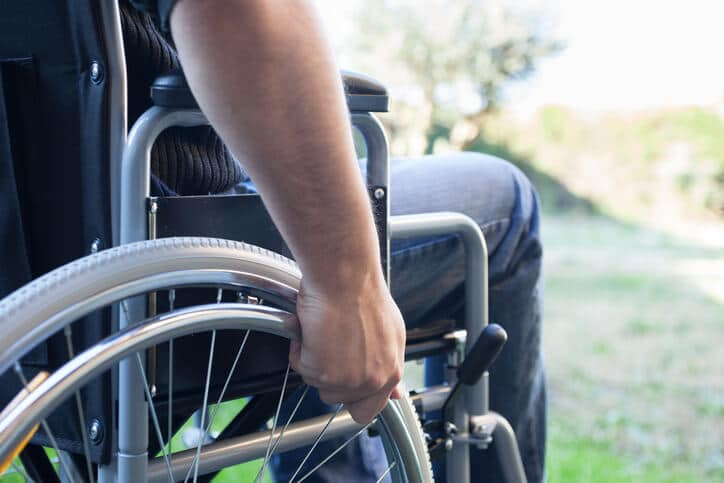
- Wheelchair and assistive equipment: Mobility aids and other necessary devices, including their maintenance and replacement.
- Home modifications and accessible transportation: Reasonable accessibility improvements to the home or adaptations to a vehicle.
- Caregiver costs: Paid assistance with daily needs or the reasonable value of necessary care provided without charge by family members.
Under California’s civil jury instructions, an injured person may recover the reasonable cost of necessary past medical care and future medical care they are reasonably certain to need. Estimates must be supported by evidence rather than assumptions that every possible treatment will be required. Equipment and accessibility costs likewise need to be connected to the injury and reasonably justified.
Lost Wages and Earning Capacity
Paralysis may prevent someone from working during recovery or returning to the same occupation. Compensation can include wages already lost and future earnings the person is reasonably certain to lose. Lost earning capacity addresses the injury’s effect on the ability to earn money, even when someone can still perform some work or has a limited employment history.
Employment records can help document financial losses, while medical evidence may establish how the injury affects future earning capacity. A claim may also consider the reasonable value of household services the person can no longer perform, without counting the same expense twice.
Non-Economic Damages: Pain, Independence, and Quality of Life
Non-economic spinal cord injury damages may include:
- Physical pain and suffering
- Emotional distress
- Physical impairment and inconvenience
- Reduced enjoyment of life
Paralysis may prevent someone from participating in activities they previously enjoyed or require assistance with tasks they once handled independently. These changes can affect self-confidence and quality of life even with excellent medical support. Such experiences may help illustrate compensable non-economic harm, but California does not assign a fixed dollar value to each limitation.
In some cases, a spouse or registered domestic partner may have a separate loss-of-consortium claim for harm to the relationship. These claims have distinct requirements and do not automatically arise for every relative or caregiver.
How Are Future Spinal Cord Injury Damages Calculated?
Because care needs can change over time, estimating losses often requires input from professionals familiar with the injured person’s condition and likely expenses. Depending on the case, we may draw on:
- Treating physicians to document diagnoses, complications, and expected medical care.
- Rehabilitation specialists to discuss ongoing therapy, mobility needs, and assistance with daily activities.
- Life-care planners to organize anticipated services, equipment replacement, and projected care costs.
- Vocational experts to evaluate realistic employment options and the effect of physical restrictions on earnings.
- Economists to estimate income-related losses and analyze the present value of future economic costs when applicable.
Not every case requires all of these professionals. The aim is to support a realistic projection of future medical care and other reasonably certain losses. A paralysis injury settlement that overlooks replacement equipment or decades of necessary attendant assistance may fail to reflect the person’s financial needs.
Liability and Comparative Fault in California
To obtain compensation, an injured person must establish a valid basis for holding another party responsible. Spinal cord injuries can arise from motor vehicle accidents, falls on dangerous property, unsafe products, or other incidents. The applicable legal theory depends on what happened and who may be responsible.
A paralysis lawsuit in California may involve disputed evidence about how the incident occurred, who caused it, and how the incident led to the injury. California follows a comparative fault system. If the injured person was partly responsible, a court can reduce damages according to that share of fault rather than automatically barring the claim.
When multiple defendants are responsible for the same injury, California generally holds them jointly liable for economic damages, meaning one defendant may be required to pay the full recoverable amount. Under Proposition 51, defendants are generally responsible for non-economic damages only in proportion to their percentage of fault.
We also represent people with other catastrophic injuries that can result in lasting disability.
Dealing With Insurance Companies and Preserving Evidence
Insurance companies may question liability, the relationship between the accident and the injury, or the projected cost of long-term care. An insurer might seek a recorded statement or propose a settlement before the full extent of future needs is understood. Accepting a final release will ordinarily end the covered claims, even if later expenses turn out to be higher.
Before agreeing to a paralysis injury settlement, it helps to document the injury’s effects and review the proposed terms with an injury attorney. Families can preserve:
- Accident reports, photographs, witness details, and any relevant vehicle or product evidence.
- Medical records, rehabilitation plans, bills, prescriptions, and equipment estimates.
- Employment and income records, together with documentation of missed work.
- A dated record of caregiver hours, assistance needed, and changes in daily abilities.
A personal injury lawsuit may require additional evidence, including testimony about the cause of the accident and the person’s likely future needs. Prompt preservation can be especially valuable when physical evidence or witness recollections may not remain available.
FAQs
Can a spinal cord injury claim include future care?
Yes. California allows recovery for reasonably necessary future care that the injured person is reasonably certain to need. Medical opinions and documented care plans can help establish the nature, duration, and reasonable cost of that care.
Can I recover compensation if I was partly at fault?
Yes. California’s comparative fault rules generally allow recovery even when the injured person shares responsibility. The recoverable damages are reduced by their assigned percentage of fault.
How much is a paralysis claim worth?
There is no reliable universal figure. Spinal cord injury compensation in California depends on proven losses, the nature of the disability, legal responsibility, and available sources of recovery. Generic averages cannot account for an individual’s projected care needs.
Can my claim include unpaid care from family members?
Yes. An injured person may claim the reasonable value of necessary nursing or attendant care supplied by relatives, even without payment. Records of the services and their value help support that claim. This does not automatically give each caregiver a separate claim.
Can I bring a claim for partial paralysis?
Yes. Complete paralysis is not a requirement for a personal injury claim. People with incomplete injuries may seek compensation for the actual harms caused by another party’s legally actionable conduct.
How long do I have to file a lawsuit in California?
Most California personal injury lawsuits are subject to a two-year filing deadline, but exceptions apply. Claims involving public entities generally require an administrative claim within six months, and medical malpractice claims have special rules. Seeking advice promptly helps protect deadlines.
Does a paralysis lawsuit in California always require a trial?
No. Some claims settle before trial, with or without a lawsuit. If responsibility or compensation remains disputed, litigation and potentially a trial may be necessary. The appropriate course depends on the evidence and circumstances.
Talk With Our Spinal Cord Injury Attorneys
At Shea & Shea, we have represented injury victims since 1966. We understand that paralysis can affect the injured person’s finances and the routines of everyone who helps provide care. Our case results illustrate our experience with serious injuries, although past recoveries do not guarantee an outcome in any new case.
If you or a loved one is considering legal action after a spinal cord injury, contact us for a free consultation. We can discuss the circumstances and explain potential next steps.