
When you think of personal injury lawyers, your mind might jump to courtroom battles, settlement negotiations, or insurance disputes. But for Michael M. Shea Jr., founder and lead attorney at San Jose-based catastrophic injury firm Shea & Shea, the fight for safety extends far beyond the courtroom floor.
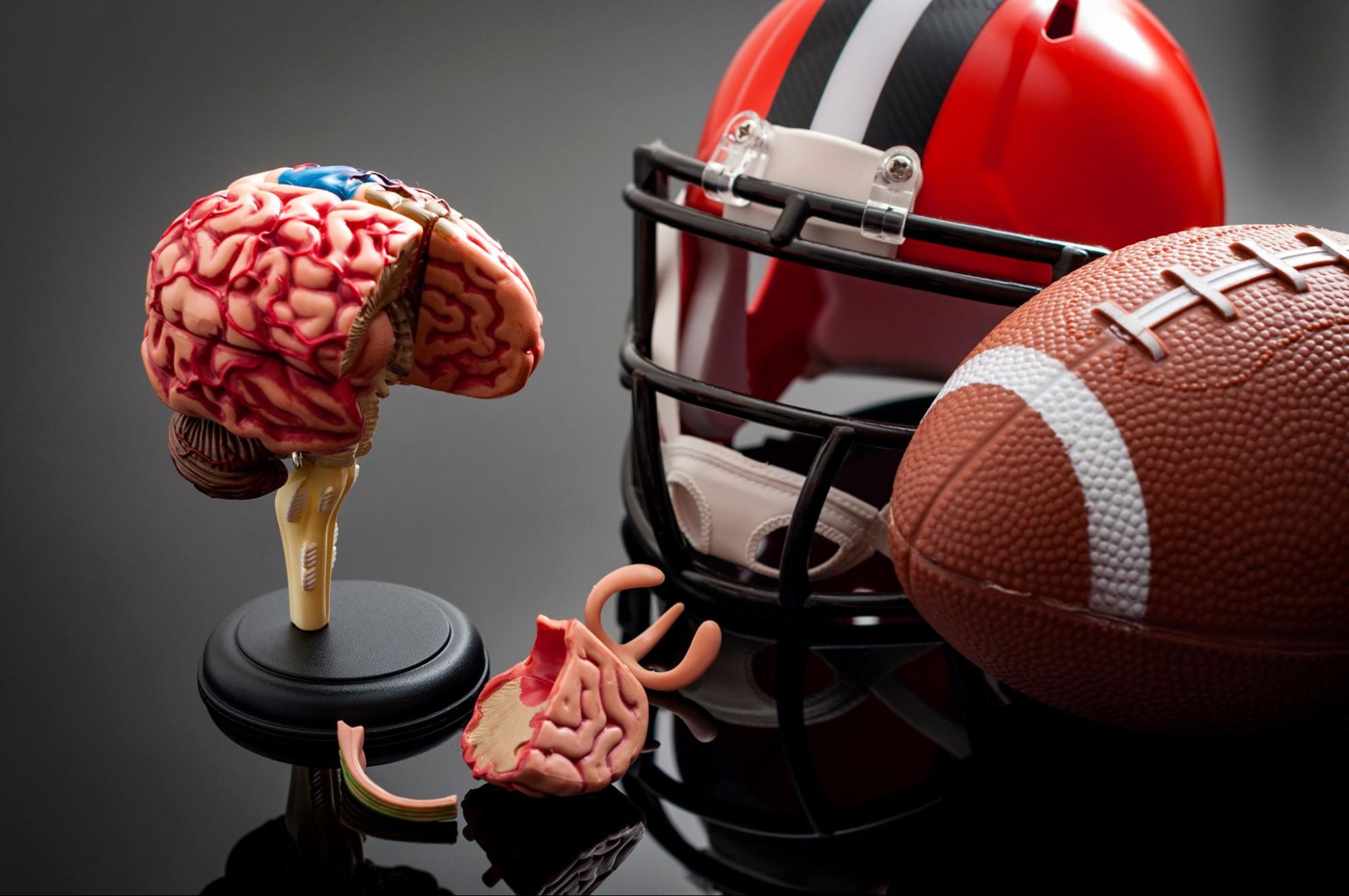
Over decades spent representing victims of severe traumatic brain injuries (TBIs), Shea has watched the devastating, long-term impact of central nervous system trauma firsthand. That deep technical and medical research led him to author two compelling, widely read op-eds in the San Jose Mercury News:
- “The Value of Obsessing over Concussions” (2016)
- “Block Kids Under 12 from Playing Tackle Football” (2018)
Together, these pieces form a powerful thesis: When it comes to the developing brains of children, proactive protection must always override tradition.
Page Contents
1. Beyond the Courtroom: A Legal Expert in Brain Traumatology
Most people hear about concussions through professional sports commentary, but trial attorneys who specialize in traumatic brain injuries see a much darker reality. Shea doesn’t just litigate accidents; he collaborates directly with neurosurgeons, cognitive specialists, and rehabilitation physicians to map out life-long care for brain injury survivors.
In his 2016 article, “The Value of Obsessing over Concussions,” Shea called for a cultural shift in how parents, coaches, and educators handle youth head trauma.
- The Core Argument: A concussion isn’t just “getting your bell rung”. It is a traumatic, cellular-level disturbance in brain function.
- The “Obsession” Necessity: Shea argued that society must become hyper-vigilant—even “obsessive”—about identifying symptoms early, pulling kids from play immediately, and providing proper rest.
When a physical wound occurs, you can apply a bandage and monitor healing visually. But as Shea points out, microscopic damage to neural pathways often hides behind a smiling child who says, “I’m fine”. By demanding that parents and coaches obsess over these subtle changes in behavior or cognition, Shea aimed to prevent the catastrophic compounding effects of Second Impact Syndrome.
2. Drawing the Line: Protecting Young Brains Under 12
Two years after urging the public to take concussions seriously, Shea took his advocacy a step further. In his 2018 piece, “Opinion: Block Kids Under 12 from Playing Tackle Football,” he targeted the root cause: full-contact youth sports.
Shea highlighted a stark biological reality that sports leagues often overlook: A child’s brain is not merely a smaller version of an adult’s brain.
During a child’s formative years, the brain undergoes rapid neurodevelopment. The axons (the brain’s wiring) are not yet fully myelinated; meaning they are vastly more vulnerable to repetitive rotational force and sub-concussive impacts.
Key Takeaways from Shea’s 2018 Op-Ed:
- Sub-Concussive Danger: It isn’t just the huge, bone-crushing hits that cause damage. Hundreds of small, repeated head impacts over a single season can subtly alter brain microstructure.
- Age 12 threshold: Scientific evidence increasingly links tackle football played prior to age 12 with an increased risk of cognitive, behavioral, and neurological issues later in life (including Chronic Traumatic Encephalopathy, or CTE).
- Alternative Play: Banning tackle football for kids under 12 isn’t about destroying youth sports—it’s about replacing tackle with flag football so kids can learn athletic fundamentals, spatial awareness, and teamwork without risking their neural health.
3. Why His Voice Matters Most
What makes Michael M. Shea Jr.’s perspective unique is that he bridges the gap between law, medicine, and community safety.
| Perspective | Traditional Approach | Michael M. Shea Jr.’s Approach |
| Youth Sports Culture | “Rub salt on it and get back on the field.” | “Protect the brain during crucial development windows.” |
| Legal Practice | Reactive (litigating damage after it happens). | Proactive (advocating for public safety standards to prevent trauma altogether). |
| Concussion Care | Wait for severe symptoms to appear. | Obsess over early warning signs and neurological baselines. |
Through his work at Shea & Shea, Shea regularly represents families suffering from life-altering personal injuries. He knows the tragic financial, physical, and emotional costs of brain trauma—and that gives his public policy advocacy an authenticity that few commentators can match.
Final Thoughts: A Blueprint for Youth Safety
Michael M. Shea Jr.’s writings serve as a vital wake-up call. Sports build character, discipline, and physical fitness—but they should never cost a child their cognitive future.
By pushing for age limits on tackle football and demanding hyper-vigilance around head trauma, Shea shows us what true advocacy looks like: fighting for clients in the courtroom, while working endlessly outside of it to ensure fewer kids ever become clients in the first place.